Waterborne Phenoxy Resin – Properties, Applications and Grade Selection
Waterborne phenoxy resin is a thermoplastic resin designed for water-based coating, adhesive, ink, and other formulation systems. Compared with conventional phenoxy resin supplied as solid particles or powder, the waterborne form is easier to incorporate into water-based formulations, making it a practical option when you want to work with phenoxy resin while maintaining a water-based system.
When choosing a resin for a water-based formulation, the resin itself is only part of the equation. Parameters such as solid content, viscosity, pH, glass transition temperature (Tg), substrate, and compatibility with other ingredients can all influence how the formulation behaves during processing and how the finished coating or adhesive performs.
EASTCHEM supplies waterborne phenoxy resin for customers developing water-based coatings, adhesives, inks, and related formulations. We can provide product specifications and technical information to help you select a grade according to your formulation and application requirements.
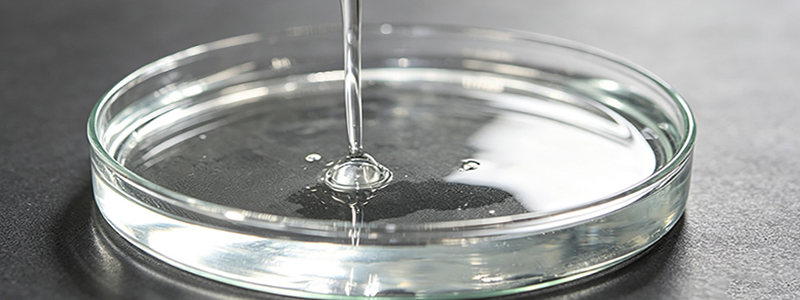
What Is Waterborne Phenoxy Resin?
Phenoxy resin is a high-molecular-weight thermoplastic polymer commonly produced from bisphenol A and epichlorohydrin. It is known for its combination of toughness, flexibility, adhesion, and good processability, which allows it to work with a wide range of substrates and formulation systems.
Waterborne phenoxy resin takes this resin chemistry into a water-based form, typically supplied as a dispersion or emulsion. For formulators, the main difference is how the resin is introduced into the system. Rather than working with a dry resin and carrying out a separate dissolution or dispersion step, you can incorporate the waterborne grade directly into a water-based formulation.
This can simplify formulation development, particularly when you are working to reduce the use of organic solvents or adapt an existing solvent-based coating, adhesive, or ink system to water-based processing.
The key, however, is choosing a grade that fits the formulation. Solid content, viscosity, pH, Tg, substrate compatibility, and interaction with other components can all affect the final result.
How Does Waterborne Phenoxy Resin Form a Film?
When you apply waterborne phenoxy resin to a surface, the first thing that happens is simply that the water starts to evaporate. As the coating dries, the resin particles get closer and closer until they join together and form a continuous film.
The drying process is not exactly the same for every formulation. If you change the resin concentration, coating thickness, drying temperature, or substrate, you may see a difference in drying time and film appearance. The other ingredients in the formulation can also affect how easily the resin forms a uniform film.
For example, a thin coating on a clean metal surface may dry relatively quickly and form a smooth film. Apply the same resin to a porous substrate in a thicker layer, and the drying behavior can be quite different. The surface may take longer to dry, and the final film may not look or perform the same way.
That is why it is useful to test waterborne phenoxy resin under the conditions you actually plan to use. Checking drying time, film formation, adhesion, and compatibility with the substrate and other ingredients can give you a much clearer idea of whether a particular grade will work for your formulation.
Main Applications of Waterborne Phenoxy Resin
Waterborne phenoxy resin can be incorporated into a range of water-based formulations.
Water-Based Coatings
Coatings are one of the main application areas for waterborne phenoxy resin. It can be used when formulators need a resin component that can form a continuous film while working within a water-based formulation.
Typical targets include metal surfaces, industrial components, furniture-related coatings, and other substrates where a water-based coating process is preferred.
Water-Based Adhesives
Waterborne phenoxy resin can also be considered for adhesive formulations. Its polymer structure provides a useful combination of toughness and substrate interaction, while its water-based form allows integration into aqueous adhesive systems.
Potential applications include packaging, textiles, construction-related materials, and other products where water-based adhesive technology is being developed.
Inks and Surface Finishing
Phenoxy-based materials can also be used in printing and surface-treatment formulations. In these applications, resin selection needs to take into account viscosity, substrate wetting, drying behavior, and the appearance of the final film.
Industrial Formulation Development
Beyond a single finished product, waterborne phenoxy resin can serve as one component of a broader resin system. Depending on the formulation, it may be combined with other waterborne polymers or additives to achieve the required balance between processing and final performance.
Waterborne Phenoxy Resin for Metal Coating Formulations
Metal coating is one area where the choice of resin can make a real difference. A water-based coating may look simple on paper, but there are quite a few things to consider once you put it into an actual production process.
The first thing to look at is the metal surface itself. Oil, dust, rust, oxidation, and other residues can affect how well the coating wets and adheres to the substrate. Good surface preparation is often just as important as the resin you choose.
Viscosity also matters once you start applying the coating. A formulation that works well for spraying may need some adjustment if you plan to use brushing or another application method. The goal is to get a formulation that is easy to apply without sacrificing the required film quality.
Then there is drying. In a water-based system, water needs to leave the coating at a suitable rate for the production conditions. If the drying process is too slow, it can affect production efficiency. If it is too fast, the coating may not have enough time to level properly.
After drying, you still need to look at the film itself. Is it continuous? Does it adhere well to the metal? Does it remain stable under the conditions the finished part will actually face?
Finally, check how the waterborne phenoxy resin behaves with the other ingredients in your formulation. A resin may perform well on its own but give a different result when combined with additives, pigments, or other waterborne resins.
For metal coatings, looking at the whole formulation and production process usually gives you a much clearer picture than choosing a resin based on a single specification.
Typical Technical Profile of Waterborne Phenoxy Resin
EASTCHEM currently offers waterborne phenoxy resin grades including B1100W-17 and B1100W-19. Their basic technical profiles are shown below.
| Model | B1100W-17 | B1100W-19 |
|---|---|---|
| Form | Water-based emulsion | Water-based emulsion |
| Solid Content | 18–22% | 20% |
| Viscosity | 30–1500 mPa·s | 30–1500 mPa·s |
| pH | 6.5–9.5 | 6.5–9.5 |
| Tg | 89–95°C | 90–95°C |
These figures provide a starting point for formulation evaluation, but the most suitable grade should be determined according to the customer's process and finished-product requirements.
How to Select a Waterborne Phenoxy Resin Grade?
There is no one waterborne phenoxy resin grade that fits every formulation. The best place to start is with how you plan to use the resin.
1. What Are You Coating?
Metal, plastic, glass, textile, and paper all behave differently. If possible, test the resin on the actual substrate you will use.
2. How Will You Apply It?
Spraying, brushing, dipping, and printing all have different requirements. Viscosity and drying are usually the first things to check.
3. How Thick Will the Coating Be?
A thin coating and a thick coating will not dry in exactly the same way. Try to test the resin at a thickness close to your actual application.
4. What Else Goes Into the Formula?
The resin will usually be used with other ingredients. Check how it works with your existing resins, additives, and pigments before moving forward.
5. What Happens on the Production Line?
Lab results are a good starting point, but production conditions can be different. Temperature, humidity, coating speed, and substrate temperature may all require some adjustment.
Waterborne Phenoxy Resin Supply and Technical Support
For international customers, choosing the right waterborne phenoxy resin is only the beginning. The details of the formulation and how the product will be used are often just as important.
During the evaluation stage, EASTCHEM can provide TDS, COA, samples, packaging options, and product specification support. If you have questions about how the resin may work in your formulation, our team can also discuss the application requirements with you.
Waterborne phenoxy resin can be supplied in 200 L drums, ton containers, or other packaging options based on your needs.
If you already have a formulation, sharing a few details such as the substrate, application method, target viscosity and solid content, drying conditions, and the resin you currently use can make it much easier to discuss a suitable grade.