N-Vinylpyrrolidone
- EASTCHEM
- China
- 15~20 days
Superior Reactivity: Perfect for radical polymerization, ensuring high conversion rates and consistent batch quality.
Excellent Solvency: Acts as a powerful reactive diluent for UV-curable resins, improving adhesion and cross-linking density.
Biocompatibility: Complies with strict international standards (REACH/ISO), making it ideal for medical-grade applications.
Enhanced Hydrophilicity: Improves the wetting properties and moisture retention of the end polymers.
Description
N-Vinyl-2-Pyrrolidone (NVP) is a high-performance reactive monomer known for its exceptional reactivity, solubility, and biocompatibility. As a key building block for Polyvinylpyrrolidone (PVP) and various copolymers, NVP is an essential raw material in pharmaceuticals, personal care, and high-tech industrial coatings.
Specification
| Item | Specification | Test Method |
| Appearance | Colorless to yellowish liquid | Visual Inspection |
| Purity (GC) | ≥ 99.7% (Ultra-high purity) | Gas Chromatography |
| Water Content | ≤ 0.1% | Karl Fischer |
| Color (APHA) | ≤ 10 | Pt-Co Scale |
| Stabilizer | 10-100 ppm (NaOH/NH3/DOP optional) | Customized |
| CAS No. | 88-12-0 | - |
Key Application Fields
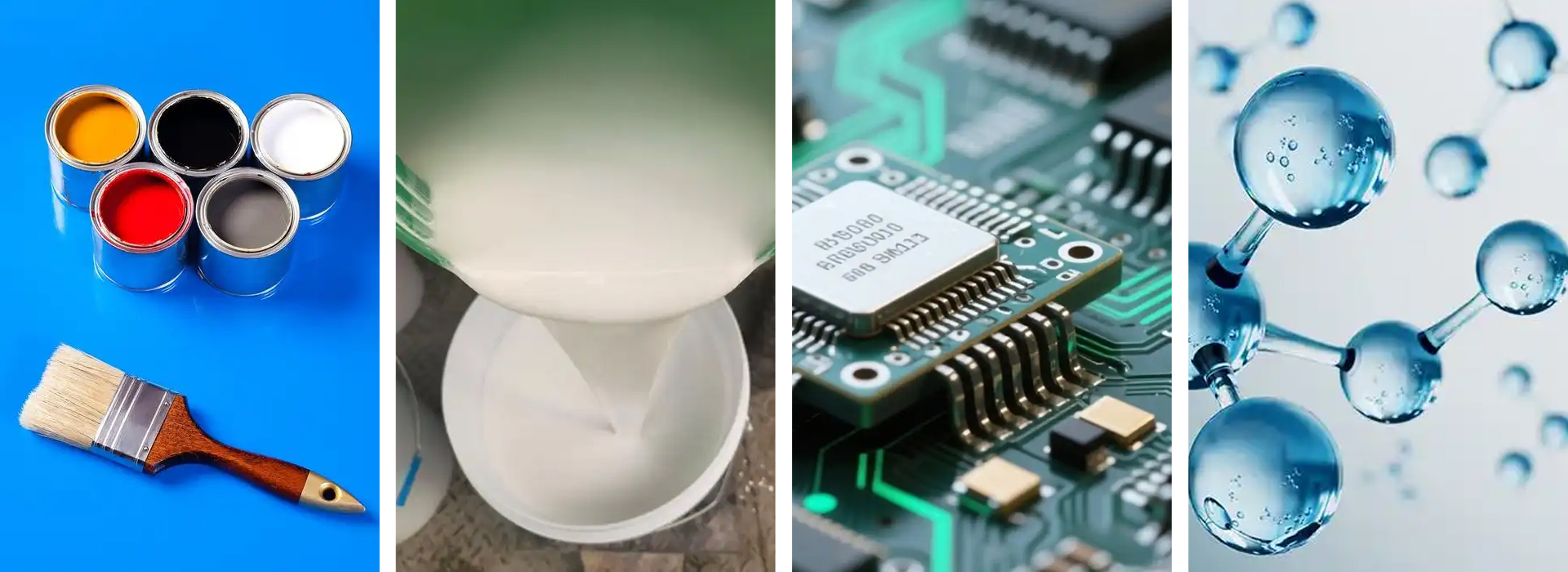
(1) UV/Photocurable Resins and Coatings
N-Vinylpyrrolidone (NVP) can be used in the formulation design of photocurable systems to optimize film formation, adhesion, chemical resistance, and curing efficiency.
Common applications include: UV coatings, UV varnishes, functional coatings, and printable films.
(2) Adhesives, Thickeners, and Functional Polymers
As a key monomer/functional additive, NVP can help achieve target viscosity adjustment, leveling, and improved post-processing performance, suitable for adhesives and specialized formulation systems.
(3) Membrane Materials, Electronic Materials, and Surface Modification
Through polymer structure design, NVP-related materials can be used to construct functional membranes and surface coatings with specific properties, meeting industrial requirements for water resistance, solvent resistance, and stability.
(4) Pharmaceutical Intermediates and Materials Development (Assessment by Project)
In some R&D and intermediate pathways, NVP is often used as a reactant in polymerization/derivative synthesis processes.
Quality Assurance & Logistics
Global Certifications: ISO 9001:2015 certified manufacturing processes.
Stringent Quality Control: Every batch undergoes GC analysis to ensure 99.7% minimum purity.
Customized Packaging: Available in 200kg plastic drums, IBC tanks, or ISO tanks according to your logistics requirements.
REACH Compliance: Full documentation support for EU and CIS market entry.
Quality control and delivery assurance
Strict Incoming & Outgoing Quality Inspection
Each batch undergoes key parameter testing before shipment to ensure stable core quality indicators of NVP.
COA (Certificate of Analysis) is provided for customer warehouse acceptance and process verification.
Traceable Supply Chain
Batch number management and document archiving support customer audits and quality traceability requirements.
Suitable for long-term procurement with stable supply capacity, helping reduce production downtime risks caused by raw material fluctuations.
Fast Response & Technical Support
After receiving your inquiry, we can provide:
Product specification confirmation (purity, moisture, color, etc.)
Delivery lead time and packaging recommendations
If required, for mulation or polymerization process adaptation suggestions (based on actual application requirements)
FAQ
Q1: What is the purity level of your N-Vinyl-2-Pyrrolidone (NVP)?
A: We supply high-purity NVP with a minimum assay of 99.7% (measured by Gas Chromatography). For specialized applications like pharmaceutical synthesis or high-end electronics, we ensure ultra-low moisture content (≤0.1%) and stable APHA color values.
Q2: How do you prevent NVP from polymerizing during transportation?
A: NVP is a highly reactive monomer. To ensure stability during transit, we add a stabilizer (typically 10-100 ppm of NaOH or Ammonia). We can also customize the stabilizer type (such as DOP) and concentration based on your specific formulation requirements. We recommend storing the product in a cool, ventilated warehouse away from direct sunlight.
Q3: Do you provide NVP samples for laboratory testing?
A: Yes, we understand the importance of quality verification. We offer free samples (up to 2kg) for professional laboratory evaluation. You only need to cover the international courier cost.
Q4: Is your NVP REACH registered for the European market?
A: Yes, our NVP is REACH compliant, allowing for seamless import into the EU and UK. We also provide full documentation support, including SDS (Safety Data Sheet), COA (Certificate of Analysis), and TDS, to assist with your local regulatory filings.
Q5: What are the typical packaging options for bulk orders?
A: Our standard packaging includes:
200kg UN-approved plastic drums (80 drums per 20' FCL)
1000kg IBC tanks
ISO tanks for large-scale industrial supply. All packaging is reinforced to ensure safety during sea and road freight.
Q6: How does NVP improve UV-curable coating formulations?
A: In UV-curable systems, NVP acts as a reactive diluent. It significantly reduces viscosity, speeds up the curing rate, and enhances the adhesion of the coating to difficult substrates (like plastics and metals) while improving the mechanical strength of the final film.