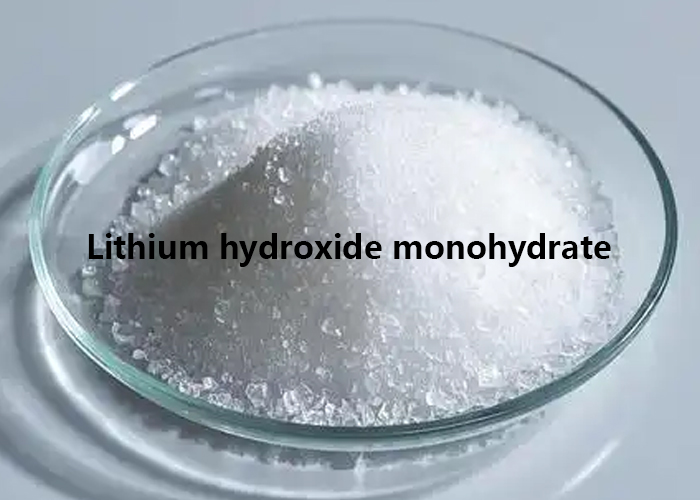
Lithium Hydroxide Monohydrate: Purity Standards, Composition, and Industrial Applications
Lithium hydroxide monohydrate is a key inorganic chemical material widely used in batteries, pharmaceuticals, electroplating, and specialty chemicals. Its quality is primarily defined by purity, and the industry standard purity of 56.5% is calculated based on lithium hydroxide (LiOH) content. This means that in Lithium hydroxide monohydrate, 56.5% of the total mass is pure lithium hydroxide, while the remaining portion consists mainly of crystallization water and trace impurities.
Chemically, Lithium hydroxide monohydrate is represented as LiOH·H₂O, where one molecule of LiOH is combined with one molecule of water. In a theoretically pure Lithium hydroxide monohydrate, the mass fraction of lithium hydroxide is approximately 57%. Therefore, a purity of 56.5% indicates a high-quality product with excellent production control and minimal impurities. This standard is especially important in applications where LiOH performance directly affects downstream product quality.
The remaining 43.5% of Lithium hydroxide monohydrate consists of crystallization water and very small amounts of impurities. While the presence of water does not reduce the chemical purity of lithium hydroxide, it must be carefully considered during storage, transportation, and usage. Moisture content can influence the reactivity of LiOH, especially in battery-grade applications where precise stoichiometry is critical.
In the lithium battery industry, Lithium hydroxide monohydrate is an essential raw material for producing high-nickel cathode materials such as NCM and NCA. The purity of lithium hydroxide directly impacts battery energy density, cycle life, and safety performance. High-purity LiOH ensures consistent electrochemical behavior, making Lithium hydroxide monohydrate the preferred lithium source for advanced lithium-ion batteries.
Beyond batteries, Lithium hydroxide monohydrate is also widely used in pharmaceuticals as a raw material for lithium-based drugs, in electroplating for surface treatment, and in grease production as a thickener. In each of these applications, the purity of lithium hydroxide plays a decisive role in ensuring stable performance and reliable results.
To achieve the 56.5% purity standard, manufacturers must apply strict process control, including precise crystallization, filtration, drying, and quality inspection. Advanced equipment and continuous monitoring systems are required to ensure that Lithium hydroxide monohydrate maintains consistent LiOH content from batch to batch. Only through rigorous quality management can producers deliver lithium hydroxide that meets the demanding requirements of global customers.
In today’s competitive chemical market, high-purity Lithium hydroxide monohydrate is not only a technical requirement but also a strategic advantage. Whether used in batteries, medicine, or industrial applications, premium-grade lithium hydroxide provides higher reliability, better performance, and stronger customer confidence. As demand for lithium materials continues to grow, LiOH-based products with strict purity control will remain essential to future industry development.