What Safety Certifications Should I Look for When Purchasing γ-Butyrolactone?
1. Global Harmonized System (GHS) & Advanced SDS Compliance
GHS-Compliant Labeling: Ensure the vendor provides labeling that explicitly addresses GBL's chemical profile. Under GHS standards, labels must clearly define standard hazard statements (such as H318 for serious eye damage and H336 for vapor-induced drowsiness) along with mandatory precautionary handling protocols.
Up-to-Date Safety Data Sheets (SDS): A professional γ-Butyrolactone supplier must furnish an SDS compiled according to the latest regional frameworks (such as the EU Regulation 1907/2006 REACH format or the US OSHA HazCom standard).This document must detail critical exposure limits, proper protective equipment (PPE), and explicit environmental containment strategies.
2. ISO Quality and Environmental Management Standards
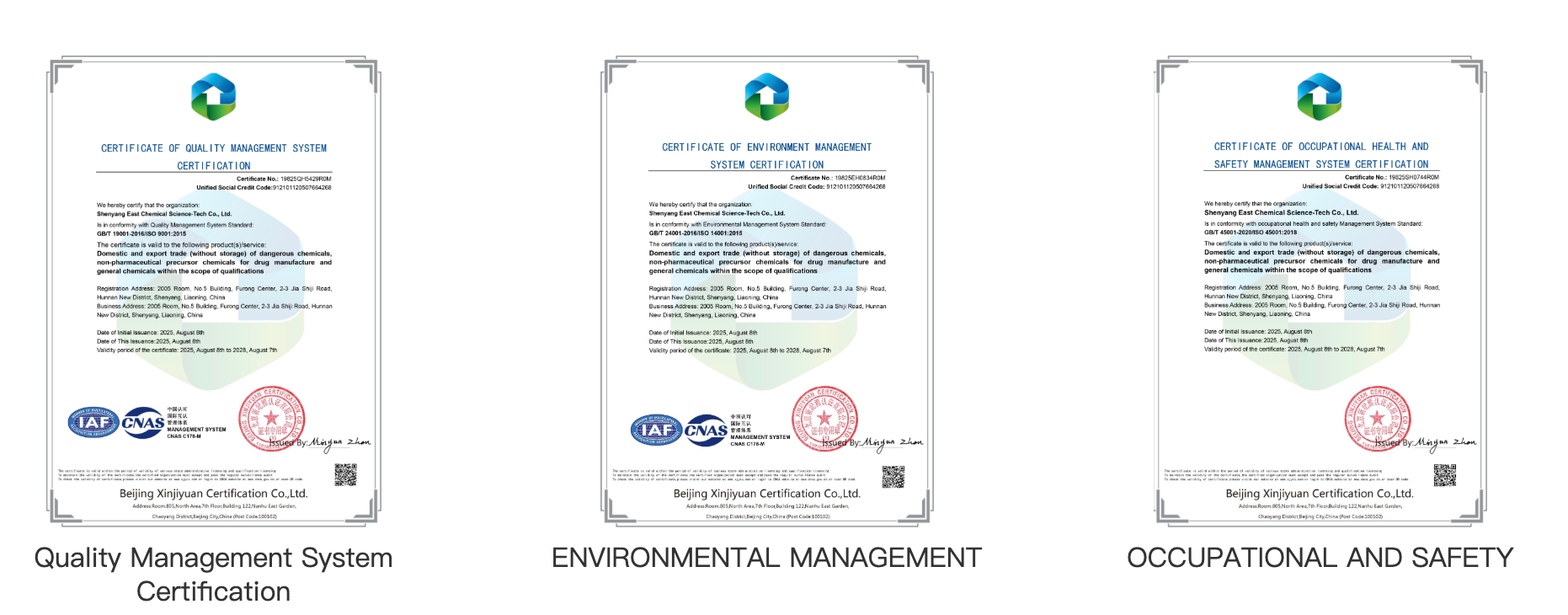
ISO 9001:2015 (Quality Management System)
ISO 14001:2015 (Environmental Management System)
GBL is a highly biodegradable solvent that serves as an eco-friendly alternative to chlorinated hydrocarbons. Purchasing from a supplier holding ISO 14001 certification ensures that the material itself was produced using sustainable chemical engineering practices, minimizing environmental impact and waste generation during synthesis.
3. Regional Precursor Chemical Controls and Licensing
EU Regulations: Within Europe, GBL is monitored under drug precursor regulations. Importers and buyers must provide an End-User Declaration (EUD) to ensure full traceability.
US DEA Regulations: In the United States, GBL is a List I regulated chemical under the Controlled Substances Act. Purchasing requires appropriate Drug Enforcement Administration (DEA) registration, detailed record-keeping, and declaration of legitimate industrial intent.
A reliable international trading partner will proactively manage these compliance workflows, ensuring that all necessary import/export licenses are secured to avoid customs delays.