Polyethylene Glycol (PEG400): A Versatile Polymer Chemical for Pharmaceutical, Cosmetic, and Industrial Applications
Introduction to Polyethylene Glycol and PEG400
Polyethylene glycol is one of the most widely used polymer chemicals in modern pharmaceutical, cosmetic, and industrial formulations. Among its various grades, PEG400 stands out as a colorless, viscous liquid with excellent solubility, stability, and safety. With an average molecular weight of 380–420 g/mol, polyethylene glycol 400 exhibits strong hygroscopicity, neutral pH, and low toxicity, making it suitable for sensitive applications where consistency and safety are critical.
As a multifunctional polymer chemical, PEG400 is fully miscible with water and many organic solvents, providing formulators with exceptional flexibility. Thanks to its chemical stability and regulatory compliance, polyethylene glycol is widely used in pharmaceutical excipients, cosmetics, personal care products, and industrial formulations worldwide.
Physical Properties and Stability of PEG400
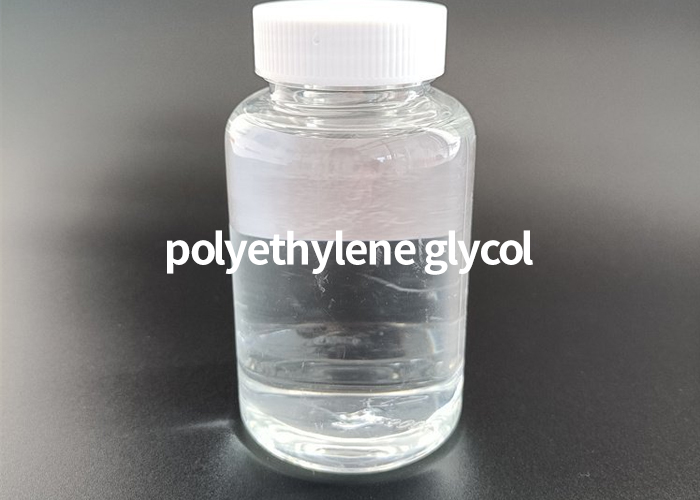
PEG400 is a clear, odorless, and viscous liquid at room temperature. As a member of the polyethylene glycol family, it has excellent water solubility and moisture-retaining capability, allowing it to function as a solvent, carrier, and humectant in many systems. Unlike volatile solvents, PEG400 is non-evaporative and chemically stable, ensuring long-term performance in formulations.
Because polyethylene glycol is non-ionic, it shows high compatibility with active ingredients, surfactants, and other polymer chemicals, making it an ideal choice for complex formulations requiring stability and uniformity.
PEG400 in Pharmaceutical Applications
1. Solvent and Solubilizer for Active Ingredients
In pharmaceutical formulations, PEG400 is widely used as a solvent and solubilizer for poorly water-soluble drugs. Many lipophilic active pharmaceutical ingredients (APIs), such as vitamins A, D, and E, hydroquinone, and undecylenic acid, dissolve effectively in polyethylene glycol, improving bioavailability and absorption.
By enhancing solubility, PEG400 helps reduce dosage variability and improves therapeutic efficiency, making polyethylene glycol an essential excipient in modern drug delivery systems.
2. Pharmaceutical Formulation Base
PEG400 is a preferred excipient in various dosage forms, including:
Oral liquids and syrups
Eye drops and injectable solutions
Softgel capsule fillings as a substitute for vegetable oils
Ointments, creams, and suppositories
As a polymer chemical, polyethylene glycol enhances formulation stability and improves encapsulation efficiency. In softgel capsules, PEG400 offers better oxidative stability than traditional oils, ensuring longer shelf life.
3. Solid Dispersion and Nanocarrier Systems
For poorly soluble drugs, polyethylene glycol is often used as a carrier in solid dispersion systems. PEG400 enables nano-dispersion of active ingredients, improving dissolution rate and absorption. This makes polymer chemicals like PEG400 increasingly important in advanced pharmaceutical technologies.
PEG400 in Cosmetics and Personal Care Products
1. Humectant and Moisturizing Agent
In cosmetic formulations, polyethylene glycol acts as an effective humectant. PEG400 absorbs moisture from the air and helps maintain skin hydration, making it ideal for creams, lotions, serums, and masks. Its gentle nature makes polymer chemicals like PEG400 suitable even for sensitive skin products.
2. Emulsifier and Stabilizer
PEG400 supports stable oil-water emulsions by improving compatibility between phases. As a non-ionic polymer chemical, polyethylene glycol enhances texture, consistency, and shelf stability of personal care products, preventing separation and improving consumer experience.
3. Solubilizer and Viscosity Modifier
Many fragrances and active ingredients are difficult to dissolve uniformly. PEG400 acts as a solubilizer, ensuring even distribution while reducing irritation. At the same time, polyethylene glycol helps regulate viscosity, improving product flow and application feel.
Industrial Applications of Polyethylene Glycol
1. Lubricant and Antistatic Agent
In industrial processes, PEG400 is widely used as a lubricant and antistatic additive in textile, paper, and plastic processing. As a stable polymer chemical, polyethylene glycol reduces friction, prevents static buildup, and improves processing efficiency.
2. Environmentally Friendly Solvent
Polyethylene glycol is increasingly used as a green solvent in coatings, inks, and agrochemical formulations. PEG400 provides excellent solvency while maintaining low volatility and reduced environmental impact, making it a preferred choice among modern polymer chemicals.
3. Plasticizer and Flexibility Enhancer
In PVC, rubber, and polymer materials, PEG400 functions as a plasticizer that improves flexibility, durability, and mechanical performance. As a polymer chemical, polyethylene glycol integrates easily into polymer matrices, enhancing material properties without compromising safety.
4. Dispersant for Pigments and Ceramics
In pigments, ceramics, and slurry systems, PEG400 improves particle dispersion and suspension stability. This application highlights the multifunctional role of polyethylene glycol in advanced polymer chemicals used in manufacturing and material science.
Regulatory Compliance and Safety
PEG400 meets major international standards including pharmaceutical pharmacopeias and FDA regulations. The excellent safety profile of polyethylene glycol allows its use in food-contact materials, pharmaceutical products, and personal care formulations. Compared with other polymer chemicals, PEG400 offers a balanced combination of performance, safety, and regulatory acceptance.
Conclusion: Why PEG400 Is a Key Polymer Chemical for Modern Industry
From pharmaceuticals to cosmetics and industrial manufacturing, polyethylene glycol 400 continues to be a highly reliable and multifunctional solution. Its ability to act as a solvent, humectant, lubricant, plasticizer, and dispersant makes PEG400 one of the most valuable polymer chemicals in the global market.
As industries seek safer, greener, and more efficient materials, demand for polyethylene glycol and PEG400 is expected to grow steadily. Choosing a high-quality supplier of polymer chemicals ensures stable production, regulatory compliance, and long-term performance across multiple applications.